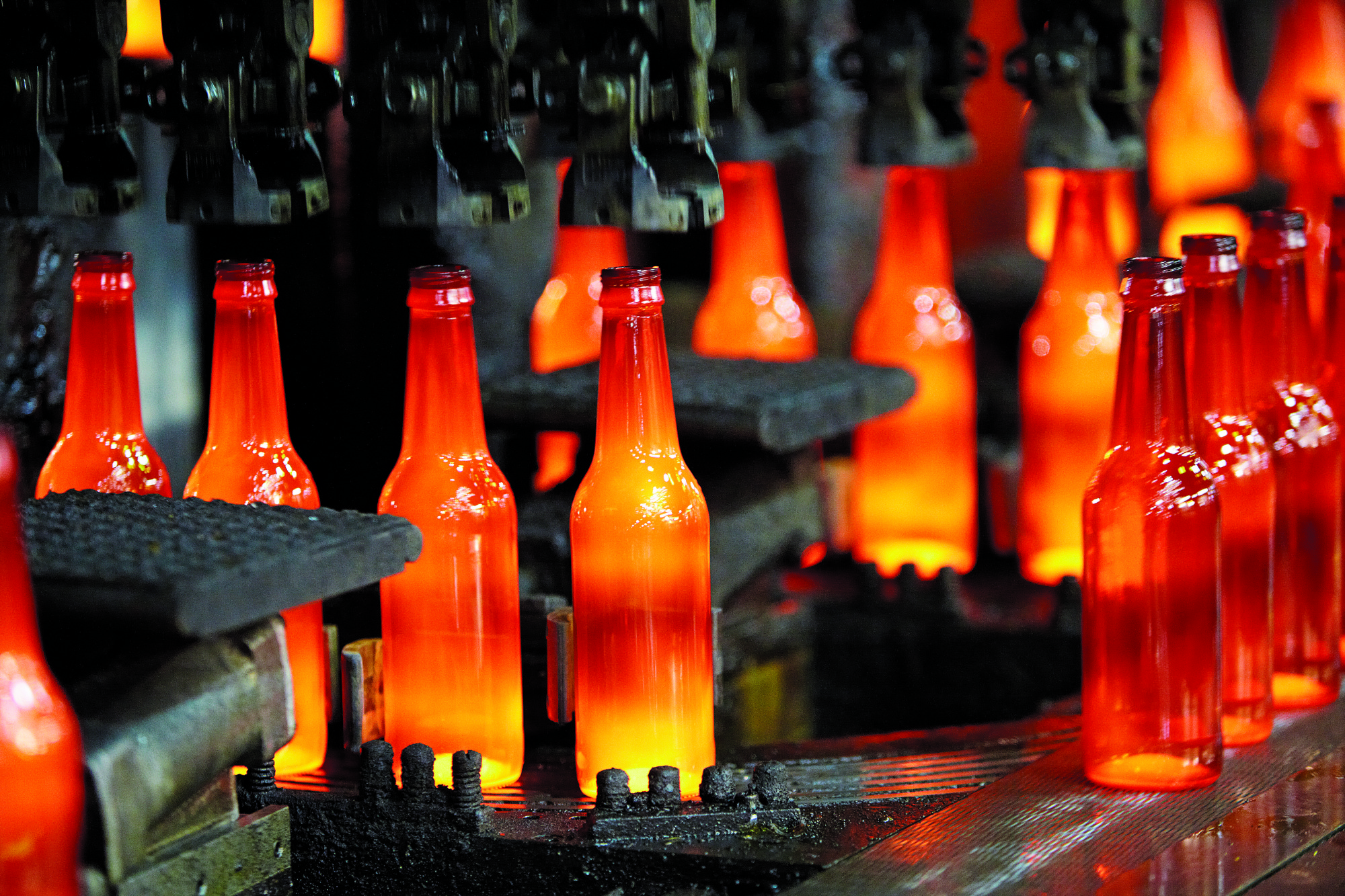


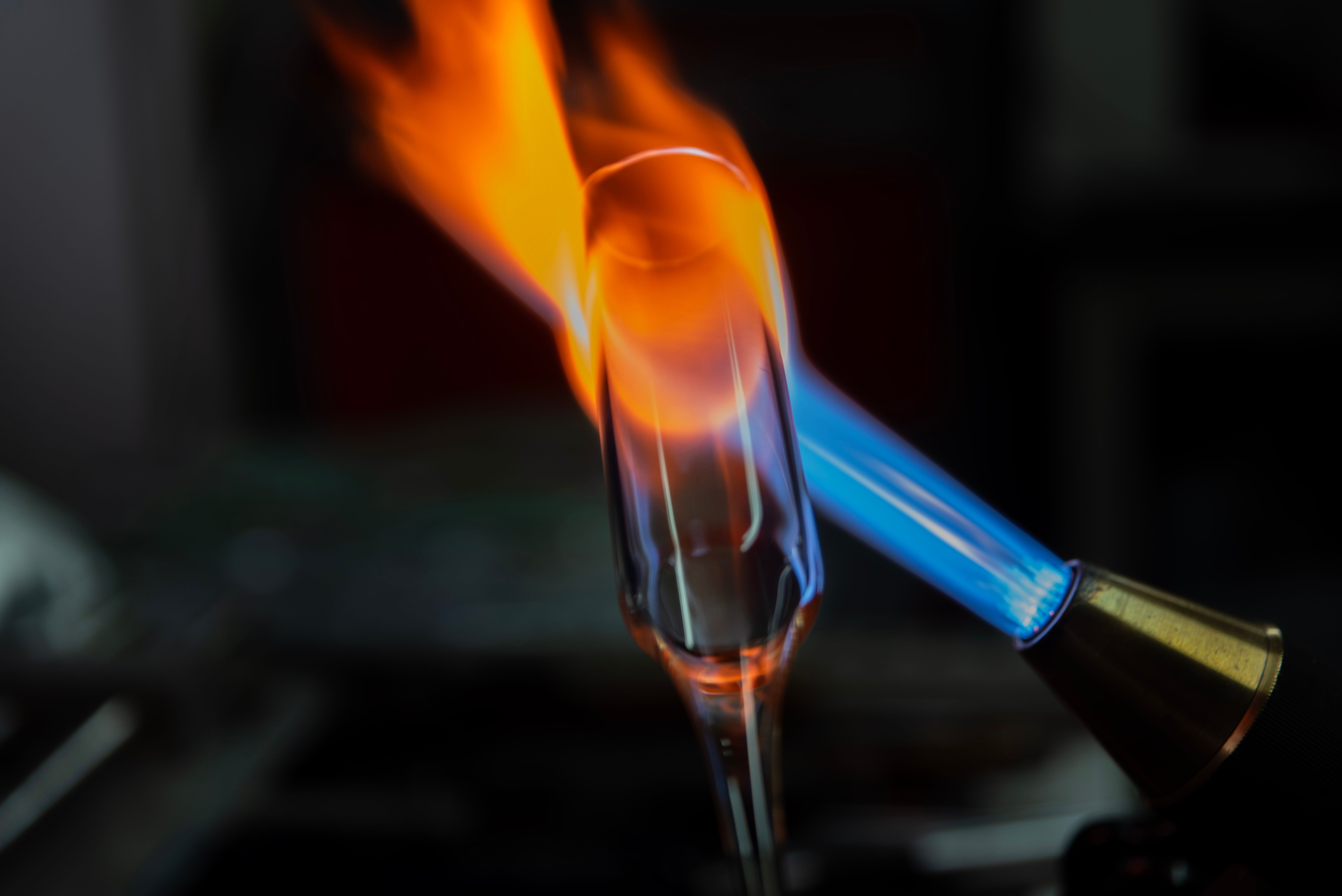

The boron behind every glass and glaze.
Boric acid and borax are indispensable to glass and ceramics manufacturing — as flux agents, viscosity modifiers, and thermal expansion controllers. As a Turkey-based direct supplier of Eti Maden boron products, we provide glass and ceramic manufacturers with consistent, batch-traceable, competitively priced supply from the world's primary boron origin.
The technical role of boron in your manufacturing process

Borax and boric acid lower the melting temperature and viscosity of the glass batch, reduce thermal expansion coefficient, and improve chemical durability. Boric oxide content in float glass typically ranges from 0.5% to 2% by weight.
Borax Pentahydrate · Boric Acid

Borosilicate glass (laboratory, pharmaceutical, and heat-resistant glass) requires 12–15% B₂O₃ by weight. Boric acid or boron oxide is the primary boron input, providing thermal shock resistance and low thermal expansion.
Boron Oxide B₂O₃

Fiberglass wool and textile fibers require high boric oxide content (up to 10% B₂O₃). Boric acid is the standard input. EU critical mineral status reflects the essential role of boron in building energy efficiency systems.
Boric Acid Technical Grade

Borax, colemanite, and boric acid are primary flux agents in ceramic glaze formulation — reducing melting temperature, improving surface smoothness, and controlling gloss. Colemanite is preferred in low-solubility frit applications.
Colemanite · Borax Decahydrate

Boron-containing frits and glazes are applied to sanitaryware and floor/wall tiles for opacity, whiteness, and chemical resistance. Consistent B₂O₃ content per batch is critical for glaze uniformity across production runs.
Batch COA required

Display glass, optical lens glass, and electronic substrate glass require precise boron content for refractive index control and thermal stability. Boron oxide (B₂O₃) is used for the highest purity applications.
Boron Oxide — high purity
Tell us your grade specification and annual volume. We quote from source.
Boric acid technical grade, borax pentahydrate, colemanite, or boron oxide — specify your requirement and we provide a COA-backed, origin-priced quotation within 4 hours.