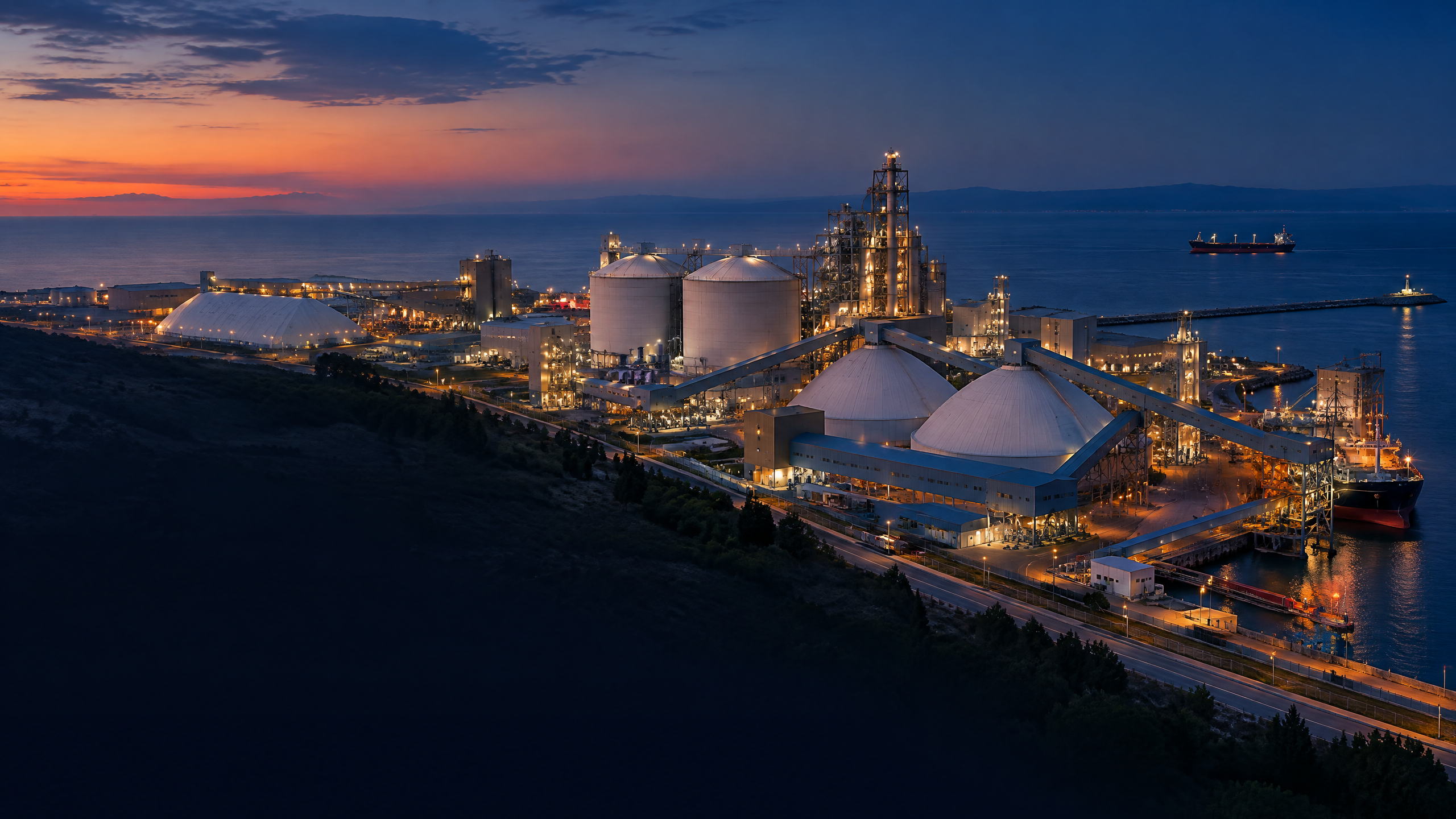
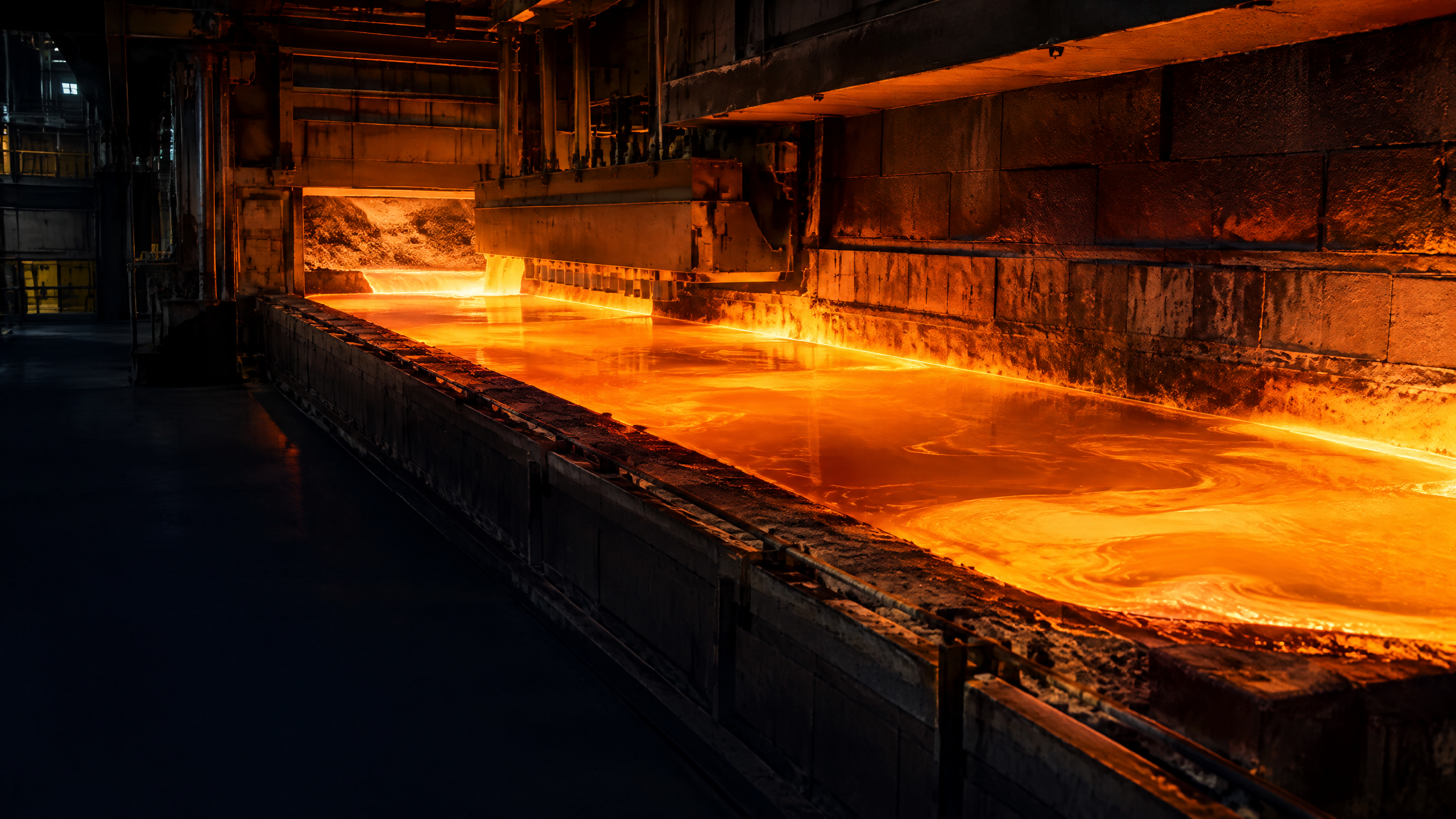
Etibor-68. 47.8% B₂O₃. The highest-concentration borax for glass batch and NPK blending.
Na₂B₄O₇·5H₂O — the preferred borax grade where minimising water input per unit of B₂O₃ delivered matters. Glass tank batch engineers select Etibor-68 over decahydrate to reduce batch moisture and maximise boron addition per tonne of material handled. NPK blending plants select it for the same density and flow advantages. Full ICP-OES COA, certificate of origin, and REACH SDS standard on every shipment.
Etibor-68 — every parameter, every test method
| Parameter | Test method | Granular grade | Powder grade | Industrial significance | Comparison: decahydrate |
|---|---|---|---|---|---|
| Na₂B₄O₇ (anhydrous borax) content | Calculated | ≥68.0% (Etibor-68 name basis) | ≥68.0% | Basis of commercial name; determines boron delivery per MT of product purchased | Decahydrate: ~52.8% Na₂B₄O₇ |
| B₂O₃ content | Calculated from Na₂B₄O₇ | 47.8% | 47.8% | Design parameter for all formulations; pentahydrate delivers 31% more B₂O₃ per MT than decahydrate | Decahydrate: 36.5% B₂O₃ |
| Water of crystallisation | Gravimetric loss on ignition | ~30.5% (5 moles H₂O) | ~30.5% | Lower water content vs decahydrate (47.2%) — reduces batch moisture sensitivity in glass manufacturing | Decahydrate: 47.2% H₂O |
| Na₂SO₄ (sodium sulphate) | ICP-OES · Ion chromatography | ≤0.2% | ≤0.2% | Elevated sulphate affects glass melt quality and glaze surface in ceramic applications | ≤0.1% (decahydrate) |
| Iron (Fe) | ICP-OES | ≤10 ppm | ≤10 ppm | Glass colour impurity — relevant for container glass and display glass applications | ≤10 ppm |
| Solubility at 20°C | Gravimetric dissolution test | ~31 g/L | ~31 g/L | Moderate solubility — lower than decahydrate at ambient temperature, increases sharply above 60°C | ~50 g/L (decahydrate preferred for cold-water dissolution) |
| pH (1% aqueous solution) | Potentiometric | ~9.2–9.4 | ~9.2–9.4 | Alkaline in solution — relevant for pH-sensitive formulations and cleaning applications | ~9.3 (decahydrate) |
| Bulk density | ISO 3923 | ~950–1,100 kg/m³ | ~900–980 kg/m³ | Higher bulk density vs decahydrate — more B₂O₃ per unit volume stored and transported | ~800–900 kg/m³ (decahydrate) |
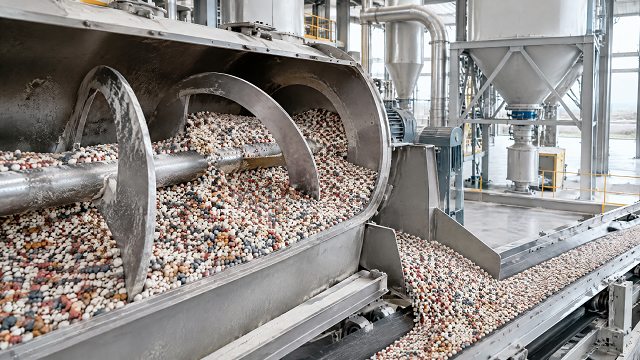
| Particle size (granular) | Sieve analysis · ISO 3310 | -4+100 mesh standard · Fine and coarse grades available | N/A | Particle size matching to NPK fertilizer granule size ensures homogeneous blending | Larger crystal structure in decahydrate |
| Packaging and logistics | |||||
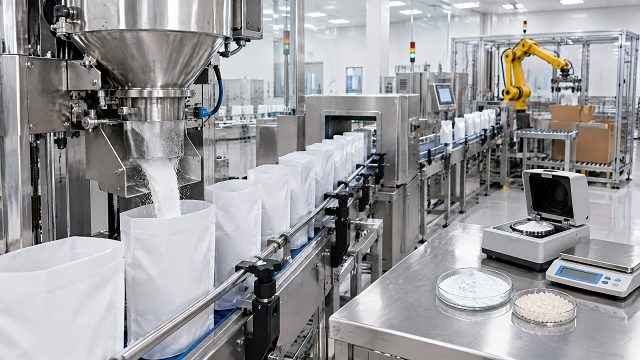
| Packaging options | — | 25 kg PP woven bags | (palletised) · 1,000 kg FIBC big bags | 25 kg PP woven bags | ~22–24 MT per 20' FCL (palletised 25 kg bags) · FOB Bandırma or CIF destination |
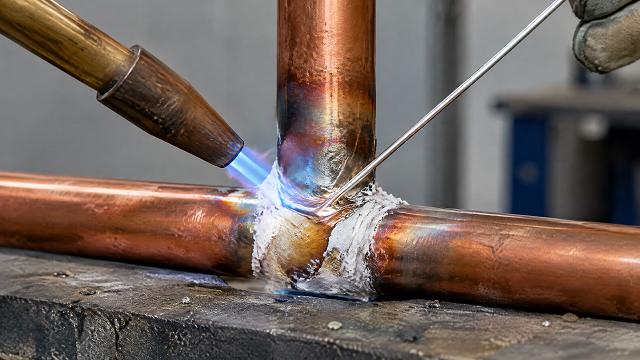
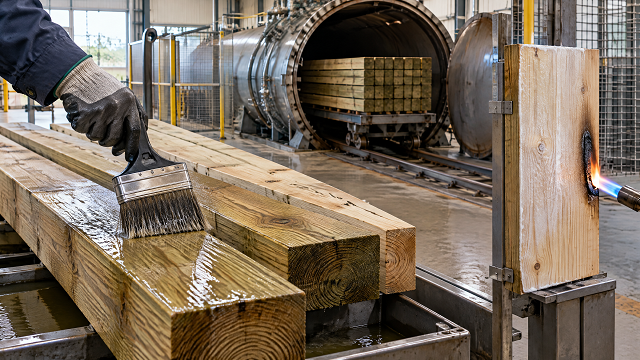
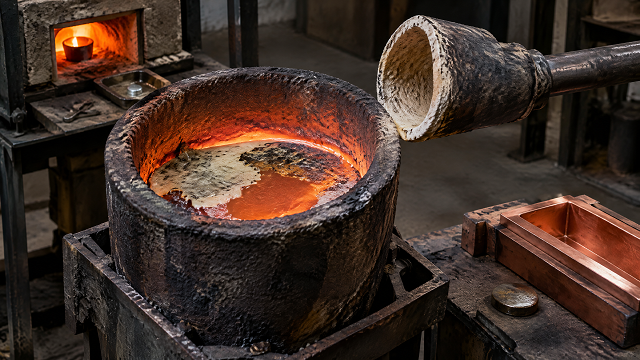
The six primary applications and the technical reason for grade selection
Borax pentahydrate — key metrics
Specify annual volume, packaging, and destination. Quotation within 4 working hours.
25 kg bags or 1,000 kg FIBC big bags · FOB Bandırma or CIF destination · COA, MSDS, and Turkish certificate of origin included · Spot and annual framework supply available.