
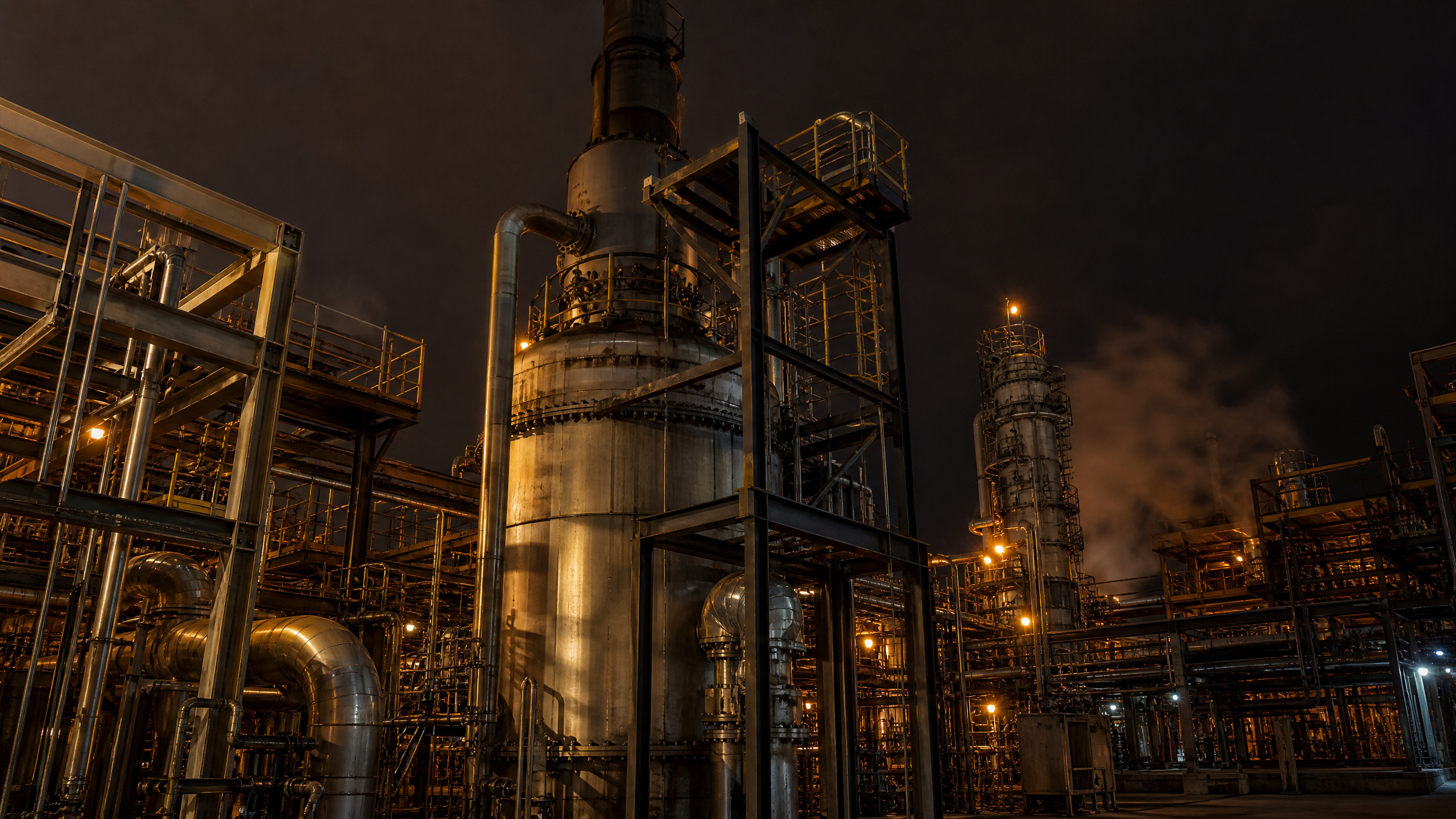
Six chemicals. Ubiquitous in daily life. Manufactured by almost nobody. Violently price-volatile when supply tightens.
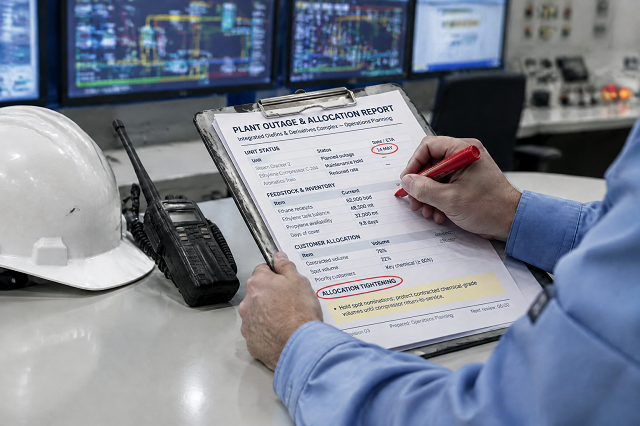
TDI and MDI in every foam cushion and insulated building. Helium in every MRI machine and semiconductor fab. Electronic-grade HF and H₂SO₄ in every chip produced. Adiponitrile in every automotive airbag. LiPF₆ in every rechargeable battery. Each of these six chemicals is manufactured by fewer than seven producers globally — meaning a single plant outage, geopolitical disruption, or demand surge creates a market-wide shortage that affects every downstream manufacturer simultaneously. We maintain secondary allocation channel access for procurement teams whose primary supply is under pressure.
Critical & Specialty Chemicals — Structural Supply Risk Category
Three structural characteristics shared by every product in this category
ADN: 4 producers globally. TDI: 5 producers control 88%. Helium: 3 countries supply 80%. Electronic-grade HF: 4 producers. LiPF₆: China 70%+. MDI: Wanhua alone holds 32%.
TDI cannot be replaced in flexible foam. Helium cannot be replaced in MRI. HF cannot be replaced in wafer cleaning. ADN has no alternative precursor for Nylon 6,6. LiPF₆ has no proven alternative electrolyte salt for mass-production Li-ion.
Building a new world-scale TDI, MDI, or ADN plant takes 3–5 years from investment decision to first production. Demand growth cannot wait. That gap is where supply stress lives — permanently.
Who produces each chemical, where, and how much of the global market they control
| Chemical | Global capacity (approx.) | Top producers by capacity share | Geographic concentration | Supply risk rating | Market dynamic |
|---|---|---|---|---|---|
| TDI (Toluene Diisocyanate) | ~2.5M t/year | Covestro (DE) ~20% · BASF (DE) ~18% · Wanhua (CN) ~20% · Dow (US) ~15% · OCI (SA) ~15% | Germany · China · USA · Saudi Arabia · Japan | Critical — 88% top-5 | Allocation-based during any plant outage. Spot market collapses. Price spikes 30–80% within 4–8 weeks of major plant event. |
| MDI (Methylene Diphenyl Diisocyanate) | ~9M t/year | Wanhua (CN) ~32% · BASF (DE) ~20% · Covestro (DE) ~18% · Huntsman (US) ~12% · Dow ~10% | China dominant · Germany · USA · UK | Critical — 82% top-5 · Wanhua alone 32% | Growing 4–6%/year (energy efficiency buildings). Wanhua geopolitical concentration creates strategic supply risk for non-Chinese buyers. |
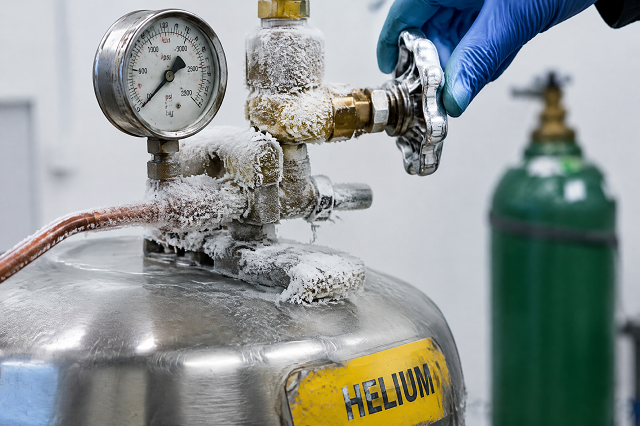
| Helium | ~175M m³/year | US Federal Reserve (~38%) · Qatar Helium 1&2 (~28%) · Russia (Gazprom ~12%) · Algeria · Australia | US · Qatar · Russia — three countries, 78% of supply | Extreme — non-renewable, unrecoverable | Once vented to atmosphere, permanently lost. US BLM Federal Helium Reserve wind-down removes historical buffer stock. Price tripled 2018–2022. |
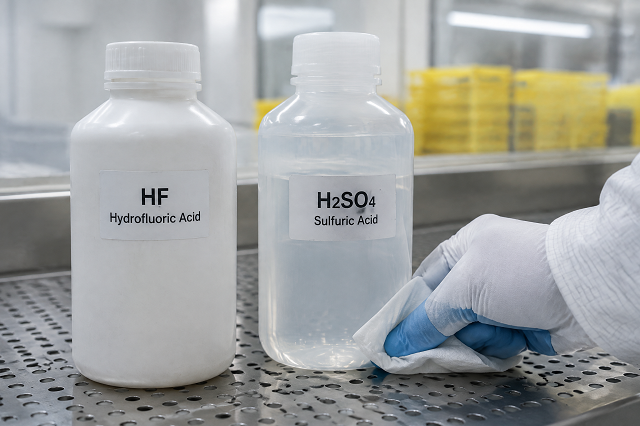
| Electronic-grade HF & H₂SO₄ | HF: ~800k t/year | (all grades) · EL grade: ~15k t/year Stella Chemifa (JP) · Morita Chemical (JP) · Honeywell (US) · Solvay (BE) — 4 producers dominate | Japan dominant for EL grade · USA · Belgium | Critical — 4 producers · Subject to export controls | Semiconductor demand growing 8–10%/year (AI chip production ramp). EL-grade HF capacity severely constrained. Export control risk from Japan trade restrictions. |
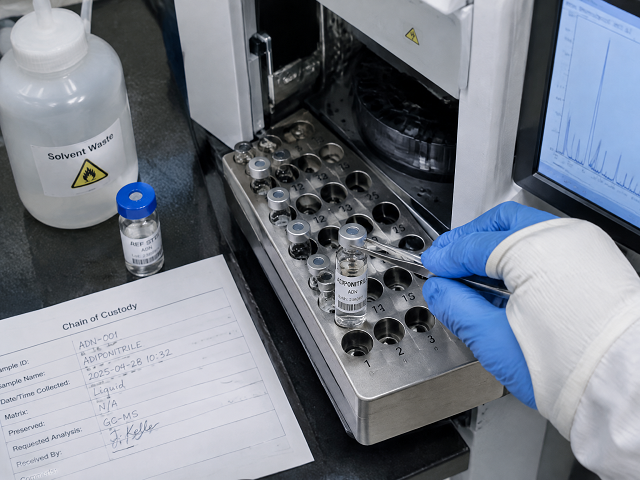
| Adiponitrile (ADN) | ~1.1M t/year | Invista (US) · BASF (DE) · Ascend Performance Materials (US) · Radici Group (IT) — exactly 4 producers | USA · Germany · Italy — zero Chinese production | Extreme — only 4 producers globally | Nylon 6,6 supply entirely dependent on these four. Any production disruption (Invista Texas freeze 2021) ripples immediately through all automotive airbag and tyre cord manufacturers worldwide. |
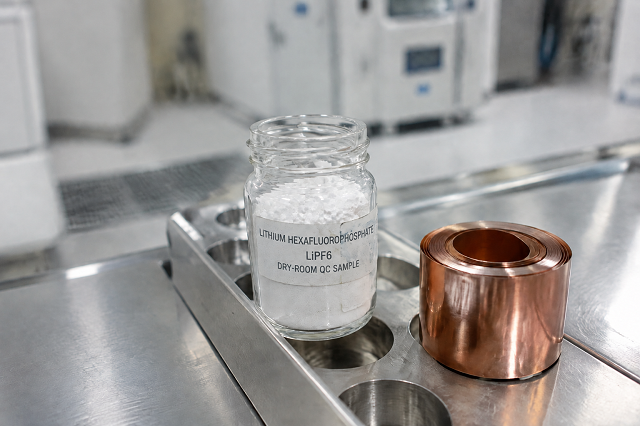
| Lithium Hexafluorophosphate (LiPF₆) | ~150k t/year (2024 est.) | Tianci Materials (CN) · Yongtai Technology (CN) · Cathay Shares (CN) · Stella Chemifa (JP) · Kanto Denka (JP) | China 70%+ · Japan ~25% | Very High — China 70% | EV demand growing 25–30%/year. Chinese export control risk. LiPF₆ prices collapsed 2023 on oversupply then spiked again 2024 — structural volatility confirmed. |
What percentage of global supply the top producers control
Adiponitrile (ADN)
ADN supply was historically dominated by Invista, Ascend and BASF/Butachimie, but China has fundamentally changed the market. Huafon and Tianchen Qixiang are now major commercial producers, with Tianchen Qixiang reaching 400,000 t/y in 2026.
Invista — 50%Helium
The United States, Qatar and Russia accounted for approximately 85.3% of 2025 global helium production. Helium is non-renewable, recovered mainly from natural-gas reservoirs, and cannot be economically manufactured.
United States (BLM / Private fields) — 42.63%TDI (Toluene Diisocyanate)
TDI supply is highly concentrated, with China representing more than half of global capacity. Wanhua is the largest capacity holder, while Covestro, BASF, Hanwha, Mitsui, Cangzhou Dahua, OCI and others form the remaining major supply base.
Wanhua Chemical — ~ 40%MDI (Methylene Diphenyl Diisocyanate)
Wanhua is the world's largest MDI producer by installed capacity, with approximately 40% of global capacity. Its large Chinese production base makes any major disruption potentially significant to global MDI supply.
Wanhua Chemical — ~ 40.5%LiPF₆ (Lithium Hexafluorophosphate)
China accounted for approximately 95% of global effective LiPF₆ production capacity at the end of 2024. The leading global suppliers are overwhelmingly Chinese, creating substantial geographic concentration in the battery-electrolyte supply chain.
Guangzhou Tinci Materials — 29.76%Electronic-Grade Hydrofluoric Acid (HF)
Electronic-grade HF demands ultra-low impurity levels and rigorous customer qualification. Supply is concentrated among specialized producers across Japan, the U.S., Europe and Asia, with Japan particularly important in ultra-high-purity semiconductor grades.
Stella Chemifa — 11.49%Electronic-Grade Sulfuric Acid (H₂SO₄)
Semiconductor-grade H₂SO₄ requires ultra-high purity and stringent impurity control. Supply is distributed among specialized producers across Japan, Europe, the U.S. and Asia, making qualification and local supply infrastructure critical.
Mosaic — 2.76%Six critical chemicals — full supply intelligence
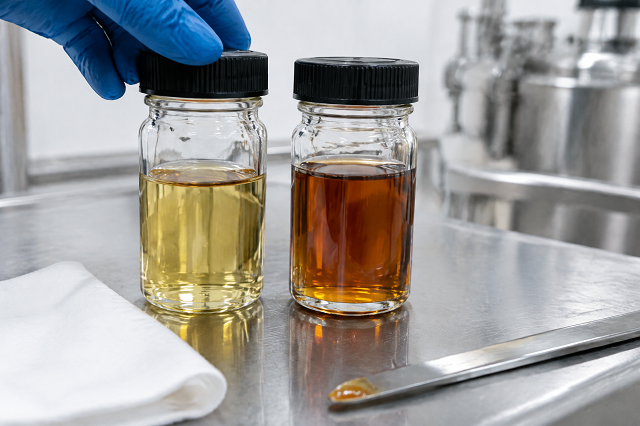
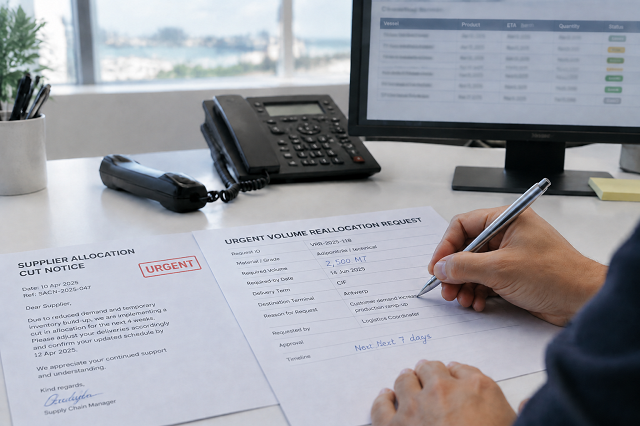
Primary supplier on allocation? Contact us now. Secondary channel assessment within 48 hours.
Specify product, grade, monthly volume, and current supply situation. We assess our secondary channel availability and respond with a realistic supply access assessment, indicative pricing range, and recommended framework supply approach.